
CoPres Blog
The Architect of Time
Educational architecture short film · Production board
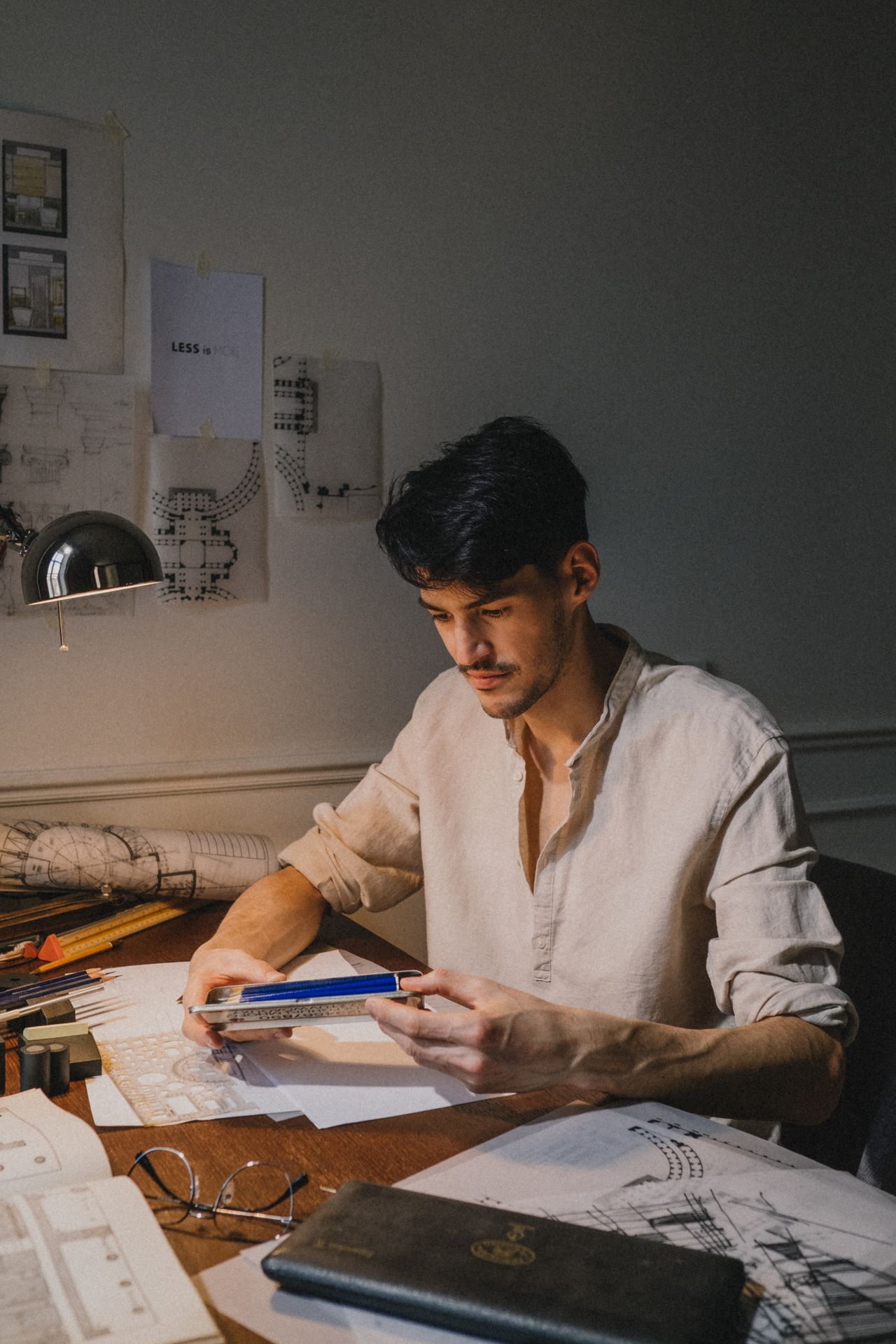
A short film about Ernesto, a rural boy who lives in Colombia and dreams of becoming an architect. Architecture is the central protagonist, developed through three goals: motivate young people to discover a professional calling; educate about architecture with emphasis on the decisions architects made to create their great projects (for students and architects); and show how architecture is practiced today with technology, digital marketing, 3D and project-control tools (for architecture and construction professionals).
Production · Slate
Production board
Three strategic goals
1. Inspire a new generation to find their vocation. Turn Ernesto’s story into an emotional experience that connects with young people still searching for their path, showing that a profession can become a way to transform the world. Target audience: young people, students, families and educational institutions.
2. Spark interest in and knowledge of architecture. Bring architecture to a broad audience through the stories and decisions behind some of history’s most important works, turning complex concepts into a visual, exciting and memorable experience. Target audience: architecture students, architects, educators, construction professionals and anyone interested in design and culture.
3. Connect historic architecture with the future of the profession. Show architecture’s evolution from its great masters to the tools reshaping the field: 3D, BIM, artificial intelligence, visualization, digital marketing and project management—positioning the film as a window onto the industry’s future. Target audience: architects, engineers, builders, developers, technology companies and AEC industry professionals.
Project Description
We aim to create a 15-minute short film that delivers a cinematic experience built entirely in Unreal Engine.
Ernesto is a fiction short that combines adventure, history, architecture and technology to tell the story of a Colombian rural boy searching for his vocation.
The project’s defining feature is that it will be developed and produced entirely in Unreal Engine, using virtual production and real-time content creation to build a cinematic universe that spans different eras, countries and architectural styles.
The film opens with Ernesto, a Colombian rural boy who dreams of becoming an architect, yet feels frustrated and full of doubt about his future. One night, sheltering in the forest, he lights a campfire by striking two stones. The fire triggers an extraordinary phenomenon: Ernesto begins a journey through time that will lead him to meet some of the great masters of architecture.
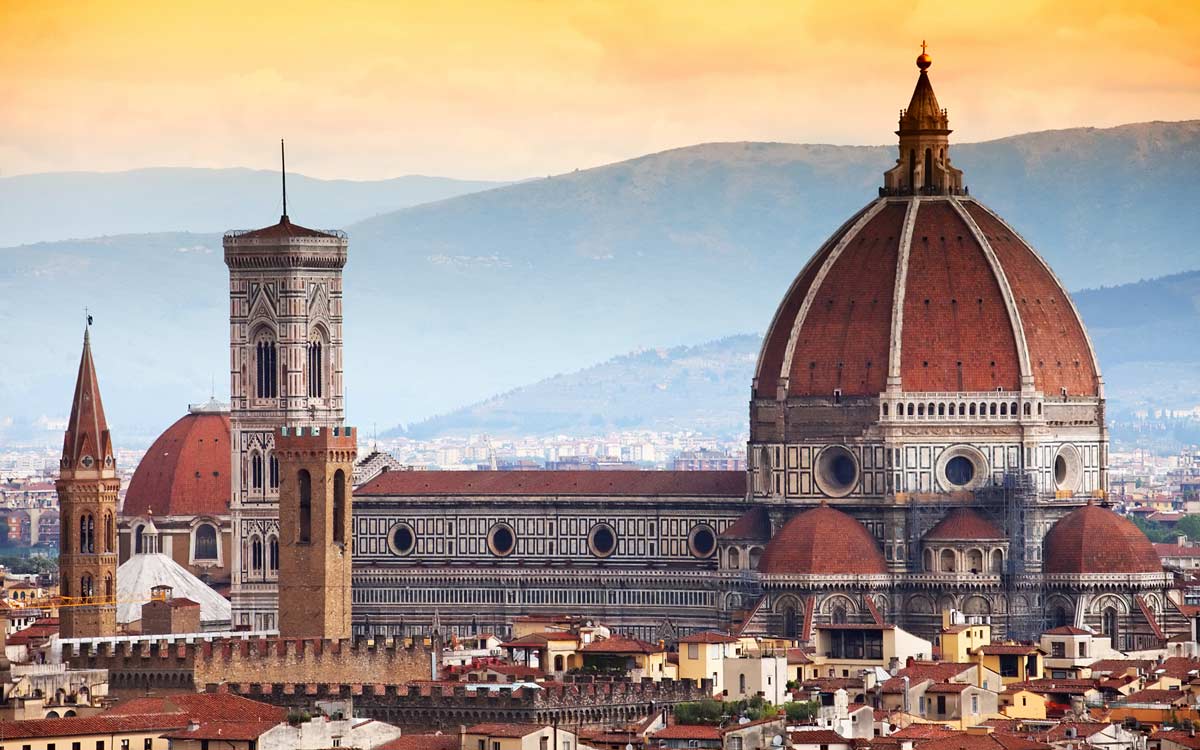
In Renaissance Florence he meets Filippo Brunelleschi, who reveals how he faced the challenge of building the vast dome of Santa Maria del Fiore. Ernesto does not merely contemplate the finished work: he enters the creative and constructive process, discovers its problems, calculations, geometry and the decisions that made one of architecture’s great feats possible.
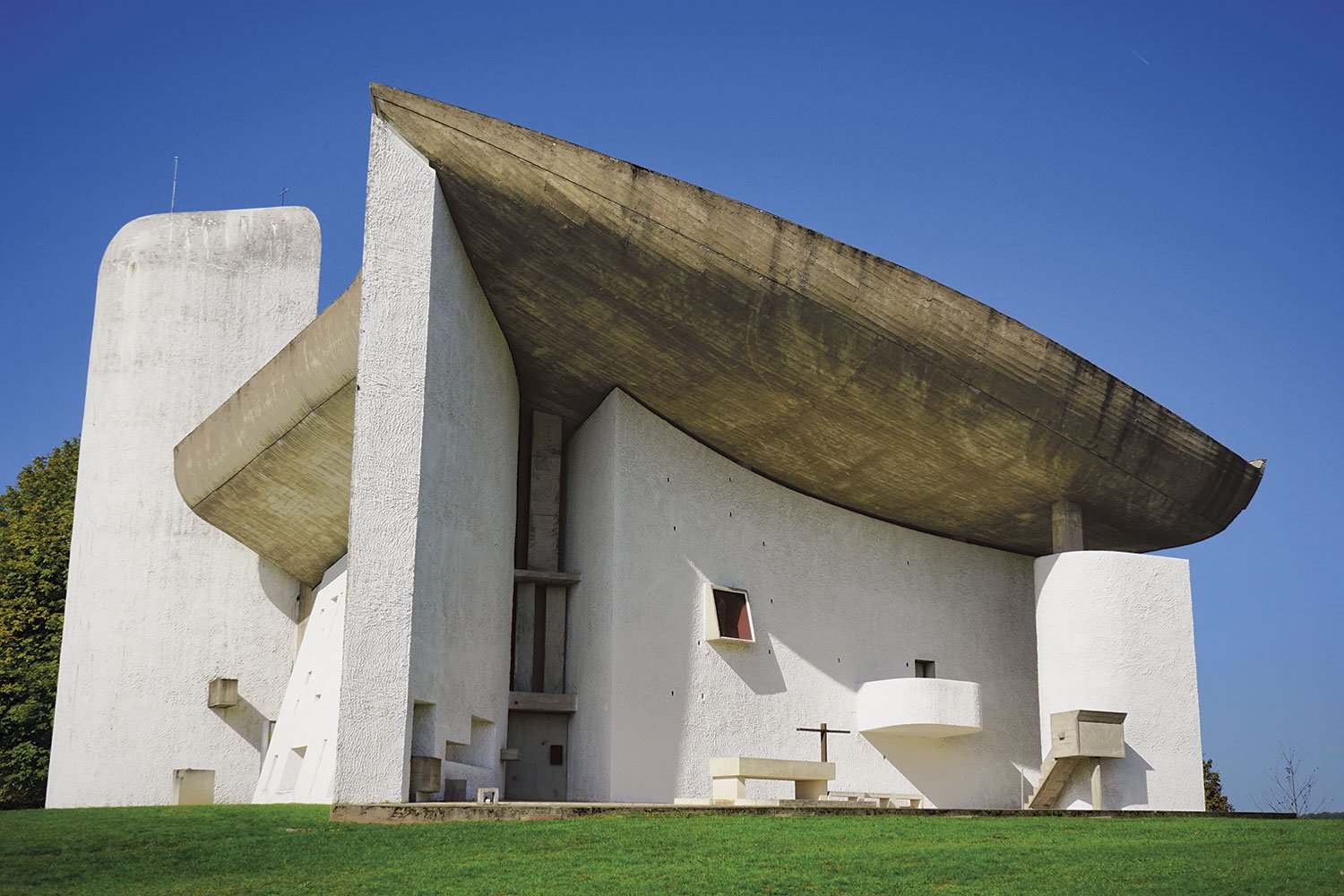
He then travels to France and meets Le Corbusier, who shows him a completely different architecture and teaches him to observe space through light, form, geometry, emotion and human experience.
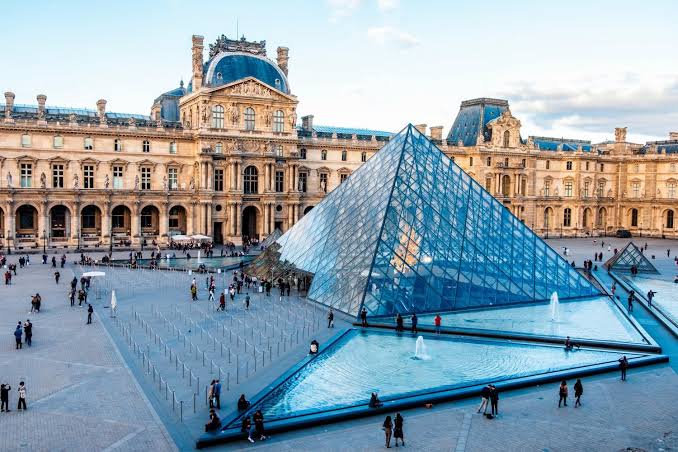
The journey continues to Paris, where Ieoh Ming Pei shows him the challenges of intervening in one of the world’s most important historic places, and how geometry, technology and contemporary architecture can dialogue with heritage—taking the Louvre pyramid as reference.
Finally the journey becomes personal. Learning that Ernesto is from Colombia, Le Corbusier takes him to Rogelio Salmona, who shows that architecture can also express a country’s identity, transform the city and create spaces deeply tied to people, landscape and culture.
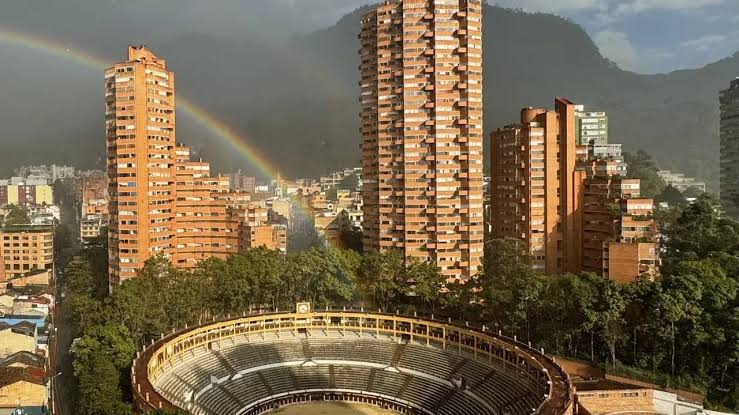
From that moment, Ernesto understands that his vocation is not simply about designing buildings. Being an architect means imagining, researching, solving problems, making decisions and turning ideas into built experiences.
From history to the future
Years later, Ernesto becomes an architect.
The film then makes a new leap—this time toward the present and future of the profession. The same boy who once drew and dreamed of being an architect now works with the digital tools of a new generation.
In Unreal Engine we can visualize this process directly: three-dimensional models, virtual walkthroughs, architectural visualization, space simulation, interaction with digital models and real-time project presentation.
Ernesto also works with contemporary design and management tools: 3D, BIM, artificial intelligence, visualization, digital marketing, coordination and project control.
Then comes the emotional beat that closes the circle: Ernesto shares that knowledge with his own son.
The boy who once desperately sought an answer about his future becomes the teacher of the next generation.
Together they begin to design an extraordinary work.
A work that represents not only Ernesto’s future, but the future of architecture.
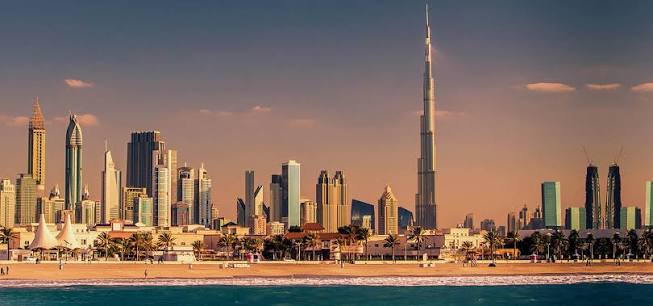
Unreal Engine as an essential part of the proposal
Using Unreal Engine makes it possible to undertake a production that would be extremely complex with traditional filmmaking methods.
The film must represent different centuries, countries, cities, historic buildings, architectural spaces and construction moments. By developing these sets digitally, it is possible to build a complete, reusable visual universe where characters, architecture, lighting, cameras and environments can be controlled in real time.
This makes it possible to:
- Create fully digital historic and architectural sets.
- Recreate different eras without depending on physical locations.
- Visualize buildings before, during and after construction.
- Show complex architectural processes in a cinematic way.
- Integrate digital characters with large-scale architectural environments.
- Use virtual lighting and cameras to build a cinematic aesthetic.
- Modify sets, cameras and sequences during production.
- Create 3D visualizations that can later serve educational and promotional uses.
- Build a scalable production pipeline for future content.
Technology is not merely a means to produce the film: it is part of the film’s discourse.
Ernesto travels from architecture built with rudimentary tools to architecture conceived through digital models and real-time technologies. The production process itself reflects that evolution.
A film where architecture is the protagonist
The proposal seeks to stand apart from a conventional film in which architecture is merely a backdrop.
Here, architecture is one of the central protagonists.
Each of Ernesto’s encounters reveals how a work is born from an idea and how that idea is transformed through decisions. The film aims for the viewer not only to admire a building, but to understand why it was conceived in a particular way.
Architecture thus becomes visual spectacle, educational content and narrative engine.
The viewer can move from Renaissance Florence to France, from Paris to Colombia and then into the digital universe of contemporary architecture without leaving a single cinematic language.
A proposal with educational, cultural and technological potential
The project is designed to connect different communities: young people seeking their vocation, architecture students, architects, engineers, builders, universities, technology companies and firms linked to the construction industry.
Its digital nature also allows thinking beyond the short film’s closing credits.
Sets, models, characters and assets created in Unreal Engine can potentially become a foundation for educational content, interactive experiences, virtual tours, institutional materials and new audiovisual productions.
This expands how the created universe can be used and turns the investment into the development of a reusable digital asset—not only the production of a single audiovisual piece.
The opportunity
This project proposes to unite three worlds that are usually presented separately: the emotion of cinema, the knowledge of architecture and the potential of 3D and real-time technologies.
Ernesto’s story lets the viewer travel through the architecture of the past to understand the present and finally imagine the future.
Technology makes that journey visually ambitious and able to unfold inside a controllable, scalable digital universe.
The vision is to produce a high-impact short film that can work at once as a cinematic work, an educational experience and a demonstration of Unreal Engine’s potential applied to architecture and audiovisual production.
The core idea
A boy seeks to discover what he wants to become.
He travels through the history of architecture and meets those who transformed the world with their ideas.
He returns to the present as an architect and uses the tools of the future to create the work he once dreamed of.
Ernesto does not only learn to build buildings. He learns to build his own future.
Unreal Engine assets
Landmark sets and works rebuilt in Unreal Engine so Ernesto’s journey feels architecturally believable: Florence and the dome of Santa Maria del Fiore, Ronchamp, the Louvre pyramid, Colombian landscapes and twenty-first-century spaces.
- Levels and environments
- Materials and lighting
- Cameras and sequences
- Period and contemporary props
Elevator pitch
A rural boy travels through time and meets the great masters of architecture. A visual adventure that inspires vocations, reveals how great works are born, and connects architecture with its digital future.
Storyboard
Visual sequence of the forest and campfire, the time jump, each meeting with a master, and the epilogue in the father–son digital studio.
- Key shots
- Time transitions
- Atmosphere references
Screenplay
Screenplay · The Architect of Time
Short film · Estimated runtime: 15 minutes · Genre: Drama / Historical fantasy
Logline: A Colombian rural boy who dreams of becoming an architect mysteriously travels through time to meet four masters of architecture, and returns to his present transformed, ready to build his own legacy.
EXT. RURAL FARM, COLOMBIAN ANDES — DUSK
Green mountains, low mist, zinc roofs and rammed-earth walls. ERNESTO, 10, barefoot, draws with a stick in the dirt: lines, arches, an imaginary house. Beside him, an old notebook full of sketches of houses, churches, bridges.
ERNESTO
(to himself)
A house with a window that looks toward the sun... and a roof that won't leak in the downpour.
His FATHER, a man weathered by work, approaches carrying a sack.
FATHER
Ernesto, stop scratching the ground and come help me with the yuca.
ERNESTO
Coming, Dad. I was just thinking how to keep the school roof from leaking.
FATHER
(smiles, tired)
Roofs are built by people who can pay an engineer, son. We plant.
Ernesto lowers his gaze. He tucks the notebook under his shirt, as if hiding something forbidden.
EXT. NEARBY FOREST — NIGHT
Ernesto walks alone among the trees, notebook in hand, frustrated. He sits on a large stone.
ERNESTO
(almost crying, looking at the sky)
Why do I want something that doesn't exist here? No one in my village has ever been an architect. No one even knows what that is.
He gathers stones for a fire. Strikes two flint stones together — sparks. The fire catches at once, higher than normal. The flames change color: orange, then gold, then an intense white.
Ernesto steps back, frightened. The fire grows like a whirl of light. Everything turns white.
— CUT TO: —
EXT. FLORENCE, PIAZZA DEL DUOMO — DAY
1418 · Renaissance
The sound of hammers, wooden pulleys, voices in old Italian. Ernesto stands disoriented in the middle of a cobbled square. Above him rises, half-built, the vast octagonal base of a cathedral without a dome — an enormous hole in the sky.
A man with a gray beard, restless eyes, an inventor's gaze —FILIPPO BRUNELLESCHI, 45— watches the scaffolding with a wooden tablet in his hand. He notices Ernesto.
BRUNELLESCHI
(in Italian, subtitled)
And where did you fall from, boy? From the sky, like my bricks should fall and don't?
ERNESTO
(looking up, mouth open)
What is that...? It's enormous. How will they close it?
BRUNELLESCHI
(laughing)
That's the question that has gone sixteen years without an answer. Come.
They walk to the edge of the octagonal void. Brunelleschi gestures with his hands, drawing in the air.
BRUNELLESCHI
Everyone says: «you need a whole forest of scaffolding, all the way to the sky.» I say: you don't need wood if the dome holds itself up while it's being built.
ERNESTO
A roof that builds itself, with no supports?
BRUNELLESCHI
Two domes, one inside the other, joined like the fingers of two interlaced hands. Brick laid in a herringbone pattern, in rings that embrace themselves. Each course holds the next before the mortar dries.
He holds out the tablet: a technical drawing of the double dome, ribs, the herringbone system.
BRUNELLESCHI
I didn't invent the brick, or the angle, or the stone. I invented the order in which they are placed. Architecture is not only dreaming the form... it is solving how to build what you dream.
ERNESTO
No one had ever told me that.
BRUNELLESCHI
Come, walk with me. I want you to meet someone who understood this better than anyone, centuries later.
Brunelleschi puts a hand on his shoulder. They begin to walk toward a cobbled street that, strangely, fills with golden mist.
EXT. RONCHAMP, FRANCE — DAY
1955
The mist clears. Now they are on a green hillside in the French countryside. Before them, a chapel of curved white forms, with a roof that seems to float like a frozen wave — Notre-Dame-du-Haut.
A man with round glasses and a bow tie, severe but passionate —LE CORBUSIER, 68— examines plans leaning against a curved wall.
BRUNELLESCHI
(to Ernesto, smiling)
I'll leave you here. This friend speaks your language... of the future, I mean.
Brunelleschi vanishes into the mist. Ernesto, alone, approaches Le Corbusier.
LE CORBUSIER
(without looking up)
Do you feel how the light enters differently in each wall? That is no accident.
ERNESTO
It's... strange. It doesn't look like a church. It looks like they made it of clay with their hands.
LE CORBUSIER
(smiles for the first time)
Exactly. After years of building houses of straight lines, of «machines for living», I understood this place needed something else: emotion, not pure logic.
He points to the curved roof.
LE CORBUSIER
I thought of this cover as the shell of a crab I found on a beach. Heavy, protective, yet floating above the wall, leaving a slit of light.
He walks inside. Ernesto follows. Within, small colored windows pierce the thick wall, casting colored lights on the dark floor.
LE CORBUSIER
Each window has a different size, depth, color. It is not decoration. It is how I want you to feel the passage of time while you pray, or while you simply... exist here.
ERNESTO
So an architect doesn't only make walls. He makes... feelings.
LE CORBUSIER
He makes feelings with walls. That's the line, boy—write it down.
He laughs. Suddenly he notices Ernesto's accent.
LE CORBUSIER
Tell me, where are you from?
ERNESTO
From Colombia. From a village near the mountains.
LE CORBUSIER
(surprised, delighted)
Colombia! I have a friend there — better said, a disciple. He learned with me here in Paris and took these ideas to build with brick, water and light, in his own way. Come, I'll introduce you. And along the way you'll meet another friend of mine.
Le Corbusier takes the keys of an old car, a black Citroën parked at the edge of the road.
EXT. ROAD TO PARIS — DAY
Montage / intercut
The car advances along country roads that turn into the streets of a great city. Ernesto leans his head out the window, marveling at everything.
LE CORBUSIER
(driving)
Before Colombia, one more stop. Someone who learned that sometimes the simplest form is the most powerful.
EXT. LOUVRE MUSEUM, PARIS — DAY
1989
The car stops in front of the Louvre courtyard. In the center, the great Pyramid of glass and steel shines under the sun, surrounded by the museum's classical buildings.
A short Asian man with thick glasses and a serene smile —IEOH MING PEI, 72— watches the pyramid with his hands behind his back.
LE CORBUSIER
Ieoh Ming Pei. They asked him to put something modern in the heart of the most classical Paris. Everyone said it was madness.
Pei turns, sees Ernesto, smiles calmly.
PEI
The boy from the mountains. Le Corbusier told me on the wind that you would come.
ERNESTO
(laughing, nervous)
Why a pyramid? Isn't it strange, next to all this so ancient?
PEI
That was the question half of Paris asked me, angrily. But look: the glass does not compete with the stone. It lets it breathe. By day it mirrors the sky; by night it lights from within like a lantern.
They walk to the edge of the pyramid. Pei touches the glass.
PEI
I needed a new entrance underground, without blocking the view of the palaces. The purest, most honest geometry that exists —the triangle, the pyramid— solved the problem without shouting. The best architecture sometimes does not impose itself. It converses.
ERNESTO
So you don't always have to build something big and loud to leave a mark.
PEI
Sometimes the greatest mark is the one that respects what was already there before you.
Le Corbusier puts a hand on Ernesto's shoulder.
LE CORBUSIER
Now yes. Colombia awaits you.
EXT. BOGOTÁ, TORRES DEL PARQUE — DAY
1990s
The landscape changes: green mountains surrounding red brick, terracotta curves, highland light. Cylindrical brick towers rise beside a circular bullring.
An elegant Colombian man with a warm Bogotá accent —ROGELIO SALMONA, 60— walks among the buildings, touching the brick with affection.
SALMONA
Welcome home, Ernesto. Here there is no glass or shining steel. Here there is brick, water and the light of our mountains.
ERNESTO
(excited)
This is really in Colombia!
SALMONA
I learned in Paris, with Le Corbusier, but I understood that Colombia has its own light, its own rain, its own clay. You don't have to copy Europe. You have to translate it with what we have here.
They walk beside a reflecting pool among the buildings.
SALMONA
The water mirrors Bogotá's sky, almost always gray, and makes it part of the building. The brick breathes with the climate. Each curve follows the shape of the mountain behind it.
ERNESTO
So you can be an architect... being from here. Without being from another country.
SALMONA
(kneels to his height)
You can, and you must. Twenty-first-century architecture around the world speaks of sustainability, local materials, technology at the service of people, not the other way around. You can build that, from your village, with what you learned today.
Salmona points toward the horizon, where the light changes and begins to burn again, golden, like the campfire.
SALMONA
Now go back. They are waiting for you.
EXT. FOREST NEAR THE FARM — NIGHT
Return
The fire goes out at once. Ernesto, gasping, is back on the same stone, notebook in hand. Everything looks the same... but his gaze has completely changed.
He stands, looks at his hands, looks at the notebook, and smiles like someone who finally understood something enormous.
ERNESTO
(whispers)
Brick, light, geometry, people... I can too.
MONTAGE — EXT/INT. VARIOUS — YEARS LATER
A series of quick images, with rising music:
• Teenage Ernesto, studying at night by candlelight, borrowed architecture books.
• Young Ernesto presenting a cardboard model at a public university.
• A diploma: «Ernesto — Architect».
• Adult Ernesto, in a simple but luminous office, with plans and a computer.
INT. ARCHITECTURE STUDIO — DAY
Present / near future
A modern office with large windows, natural light, warm materials —wood, exposed brick, some glass—. On a table, several screens: a 3D model rotating slowly, a photorealistic render of a building, a digital construction schedule.
ERNESTO, now ADULT (40), works beside his SON, MATEO, 9, sitting on a high stool in front of a screen.
MATEO
Dad, why does the building on the screen look real if it doesn't exist yet?
ERNESTO
(smiling, remembering)
Because today we can dream the whole building before we lay the first brick. Brunelleschi would have given anything to have this.
MATEO
Who is Brunelleschi?
ERNESTO
A very old friend. Someday I'll tell you that whole story.
Ernesto moves the 3D model: he rotates a roof with organic curves, similar in spirit to Ronchamp, but made with solar panels and laminated wood.
ERNESTO
Look, this roof catches rainwater and reuses it. These panels generate the building's energy. And here we control every material, every date, every weight, from the phone.
MATEO
And what is this?
ERNESTO
A video we made to show the project to the community before building it. So they can dream with us too.
On the screen: a virtual walkthrough of the building, light entering through sun-oriented windows, people walking through common spaces.
MATEO
(watching, fascinated)
We made that?
ERNESTO
We're going to make it. Come, I'll teach you how to calculate where the sun enters in the morning.
They sit together before the screen. Outside, through the studio window, you can see —in the distance, under construction— the silhouette of a new, bold building, with forms that recall both Florence's dome and Bogotá's brick: a synthesis of everything learned.
EXT. CONSTRUCTION SITE — DUSK
Ernesto and Mateo walk the site in hard hats. Cranes, workers, plans on tablets. The building rises, half-finished, against an orange sky — a visual echo of Florence's dome at the start of the film.
Mateo looks up, mouth open, just as young Ernesto did before the Duomo.
MATEO
Dad... will this also last hundreds of years, like the ones you showed me in the photos?
ERNESTO
(looking at the building, then at his son)
I hope so, son. That's what we architects do: we build something that outlives us.
Ernesto takes from his pocket a small, worn old notebook —the same one from his childhood—. He hands it to Mateo.
ERNESTO
Here. Start yours.
Mateo opens the notebook: the first pages hold Ernesto's childhood drawings. The last ones are blank, waiting.
Mateo takes a pencil and begins to draw, sitting on some bricks, with the half-built building behind him, as the sun sets.
— FADE TO BLACK. —
FINAL ON-SCREEN TEXT (optional): «Architecture does not begin on a drawing. It begins in a dream someone dares to build.»
— THE END —
Production notes
Suggested timing structure (15 min total):
Scenes 1–2 (Colombia, setup): ~2 min
Scene 3 (Brunelleschi / Florence): ~2.5 min
Scene 4 (Le Corbusier / Ronchamp): ~2.5 min
Scenes 5–6 (Pei / Louvre): ~2 min
Scene 7 (Salmona / Bogotá): ~2 min
Scene 8 (return): ~0.5 min
Scene 9 (coming-of-age montage): ~1 min
Scenes 10–11 (adult Ernesto, technology, closing): ~2.5 min
Characters
3D characters — Unreal Engine
The characters will be designed, modeled, textured, rigged and animated for a cinematic production developed in Unreal Engine. Each will have a distinct visual identity, yet all will share the same artistic language and level of realism, so they can coexist credibly in a digital universe that spans different eras in the history of architecture.
Ernesto — The dreamer
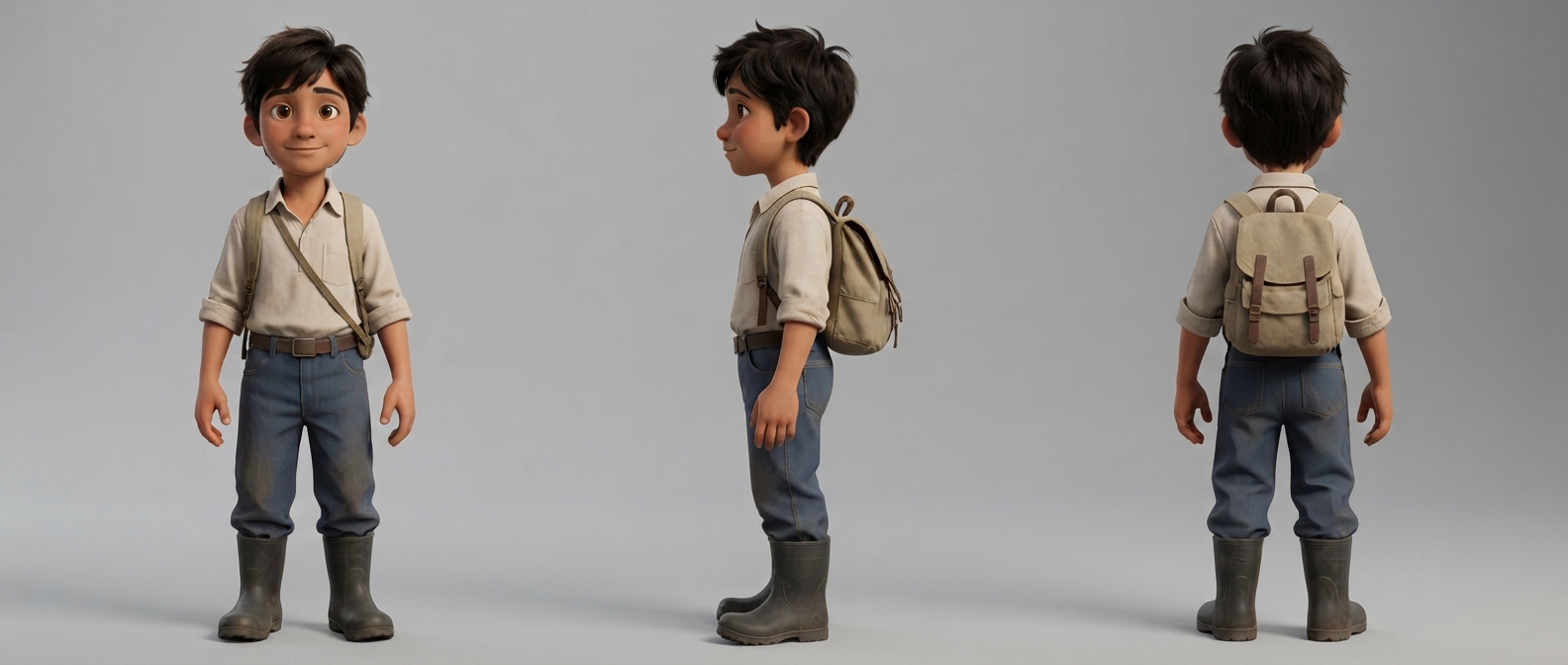
An 11-year-old Colombian rural boy, protagonist and emotional core of the story. He will be designed with an authentic, approachable and recognizable look—natural childlike features, rural clothing and a personality marked by curiosity, sensitivity and imagination.
In Unreal Engine his visual evolution is especially important: the character must keep recognizable traits of face and personality so he can later become adult Ernesto, the architect. That will allow Unreal’s visual language and animation tools to build a convincing transition from childhood to adulthood.
Visual role: represent innocence, curiosity and the discovery of vocation.
Filippo Brunelleschi — The inventor
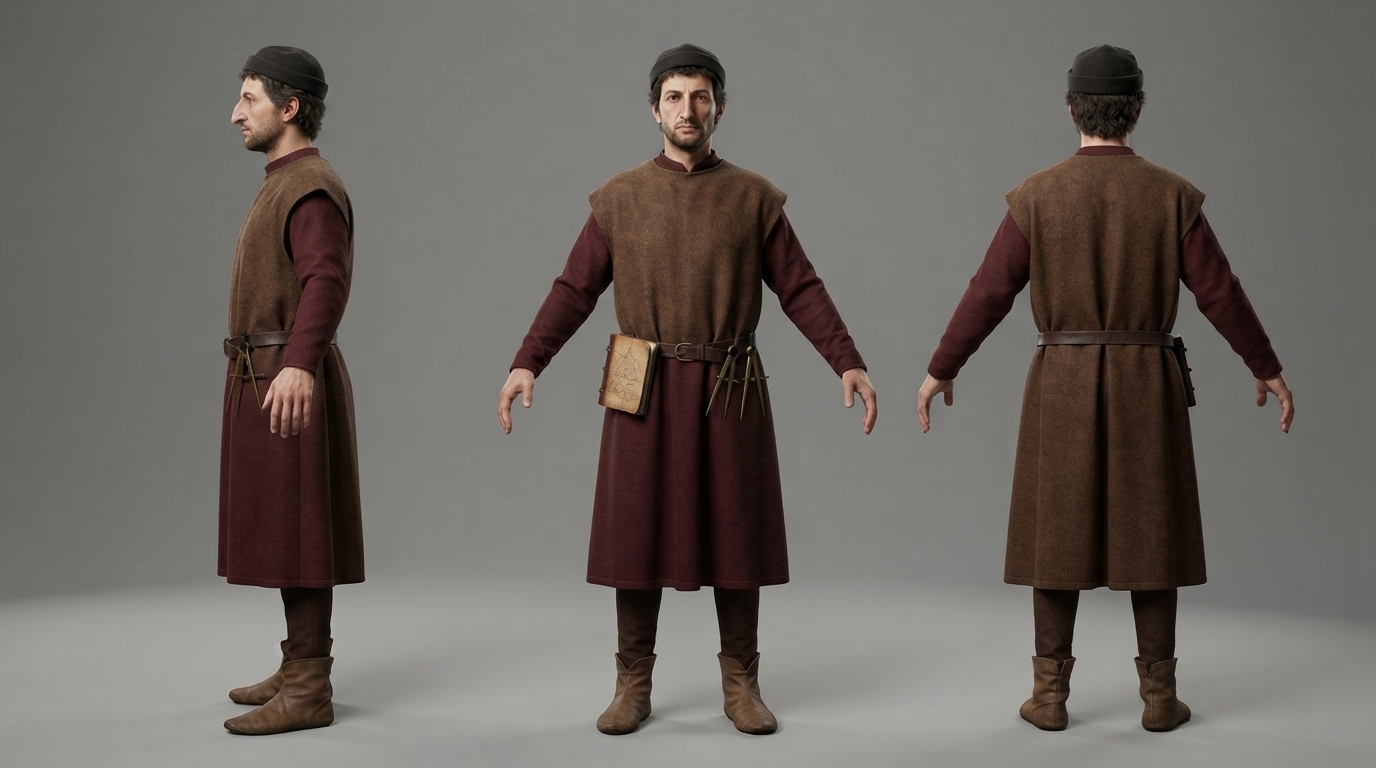
Architect and engineer of the Italian Renaissance, portrayed as a character of strong intellectual presence. His 3D design will combine historical rigor with a cinematic aesthetic, including costume, materials, hair and physical traits of fifteenth-century Florence.
In Unreal Engine he will be able to interact directly with a digital Florence rebuilt in 3D, visually revealing geometric, structural and constructive processes related to the dome of Santa Maria del Fiore.
Visual role: represent innovation, engineering and the power to turn a seemingly impossible idea into a built work.
Le Corbusier — The revolutionary
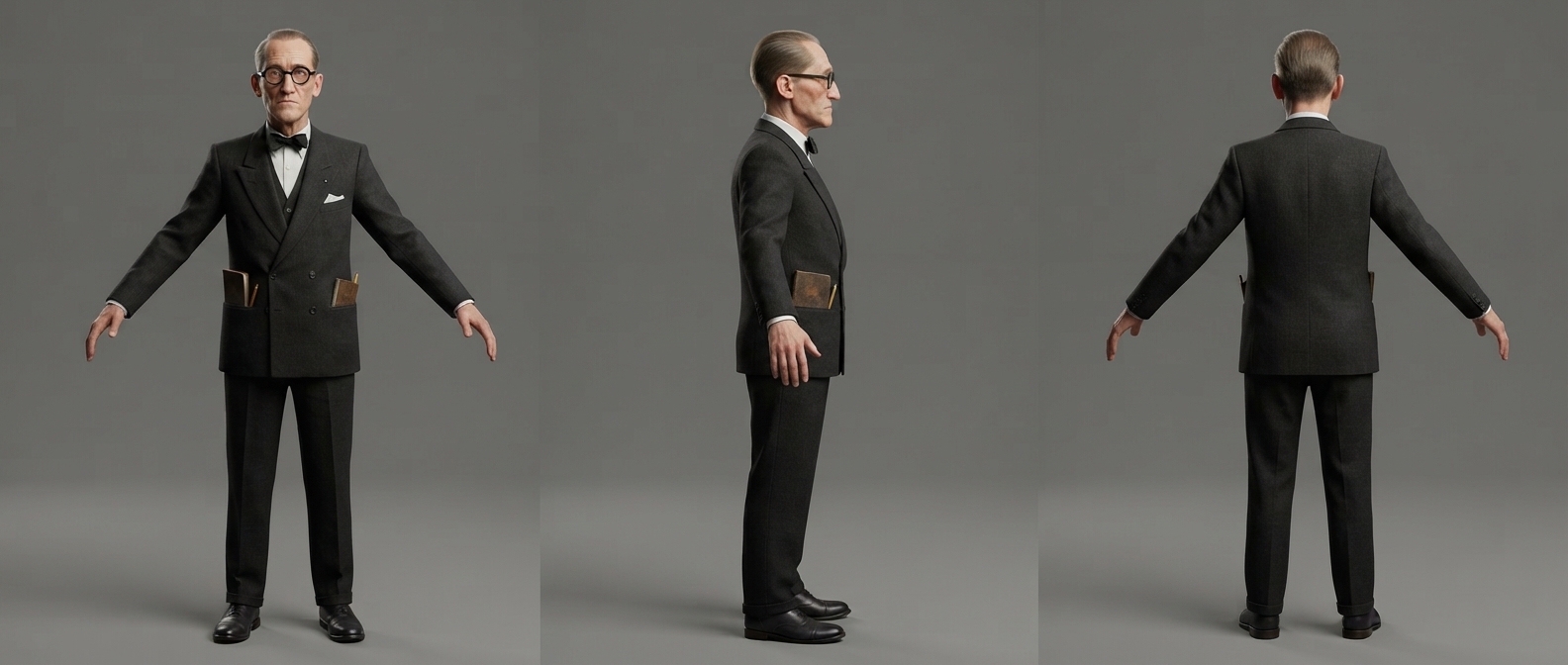
A twentieth-century architect designed as an intellectual, modern and instantly recognizable figure. Visual traits—round glasses, sober clothing and an analytical personality—will help create a memorable silhouette in the 3D universe.
His character will enable sequences where architecture and emotion integrate visually: light, geometry, matter, shadow and space can be manipulated in real time inside Unreal Engine.
His meeting with Ernesto will show how a digital character can interact with digital architecture, moving from traditional dialogue to a spatial and visual experience.
Visual role: represent the revolution of architectural thought and the relationship between space, light, form and emotion.
Ieoh Ming Pei — The master of geometry
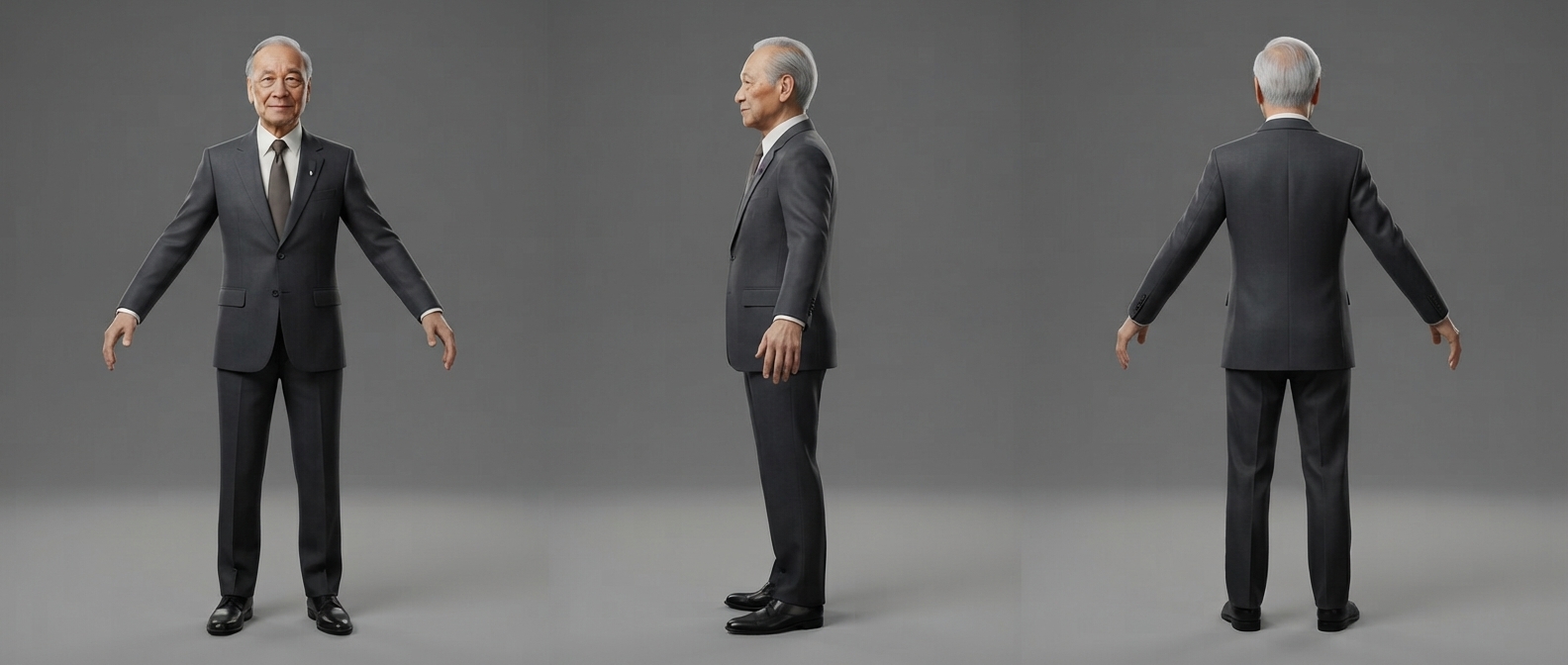
A Chinese-American architect portrayed in his mature years, with an elegant, serene and intellectual appearance.
His 3D design will emphasize precision, geometry and sophistication—qualities that can also carry into the set around him.
In Unreal Engine, Pei will present Ernesto the relationship between geometry, transparency, light, structure, technology and heritage, using the Louvre pyramid as the stage for a visually spectacular sequence.
Visual role: represent the ability to integrate contemporary innovation with historic architecture.
Rogelio Salmona — Colombia’s architect
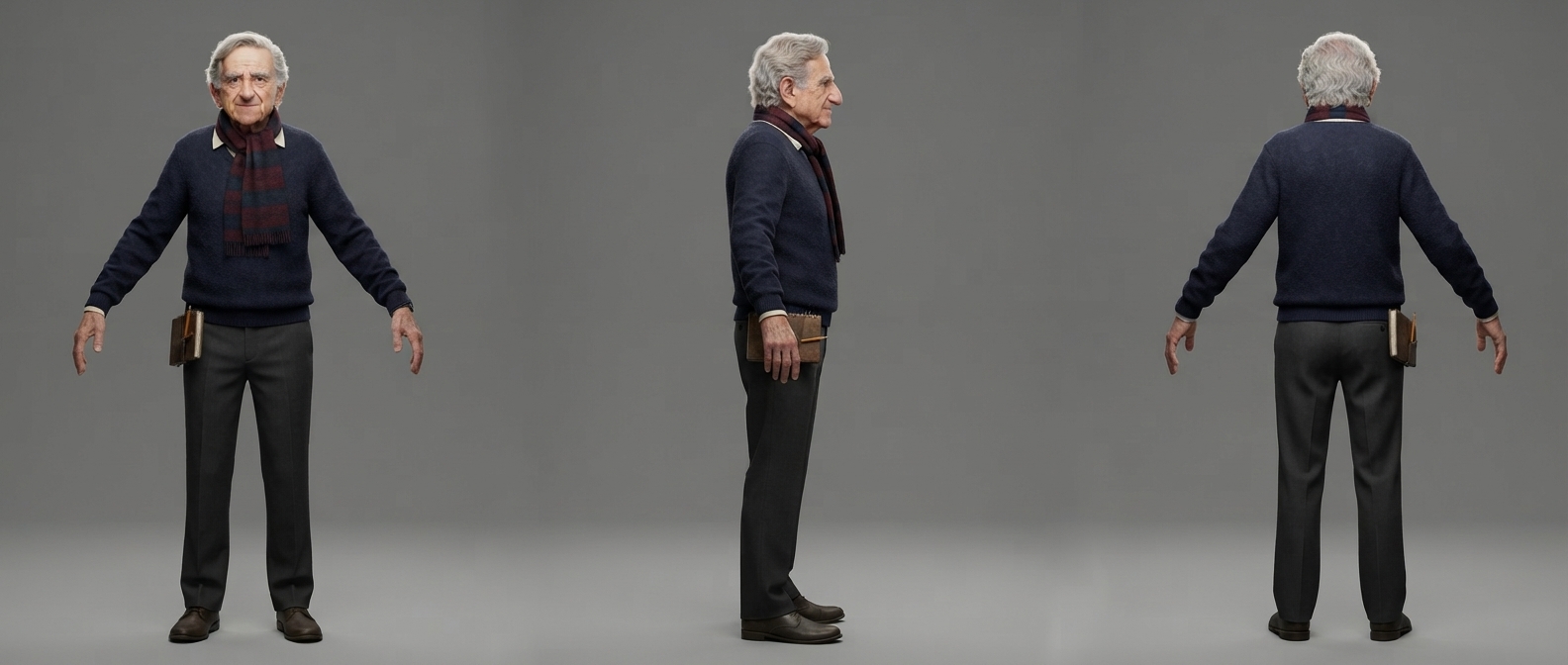
A Colombian architect portrayed in his mature years; the character who connects Ernesto’s international journey with his own roots.
His 3D design will carry a deeply Colombian identity without stereotypes. Costume, body language and appearance will convey an intellectual, approachable architect closely connected to the city.
In Unreal Engine he can appear integrated with digitally recreated Colombian architecture—especially spaces where brick, water, landscape, paths and public space take center stage.
Visual role: represent Colombian identity and show that architecture with local roots can achieve universal relevance.
Adult Ernesto — The architect of the future
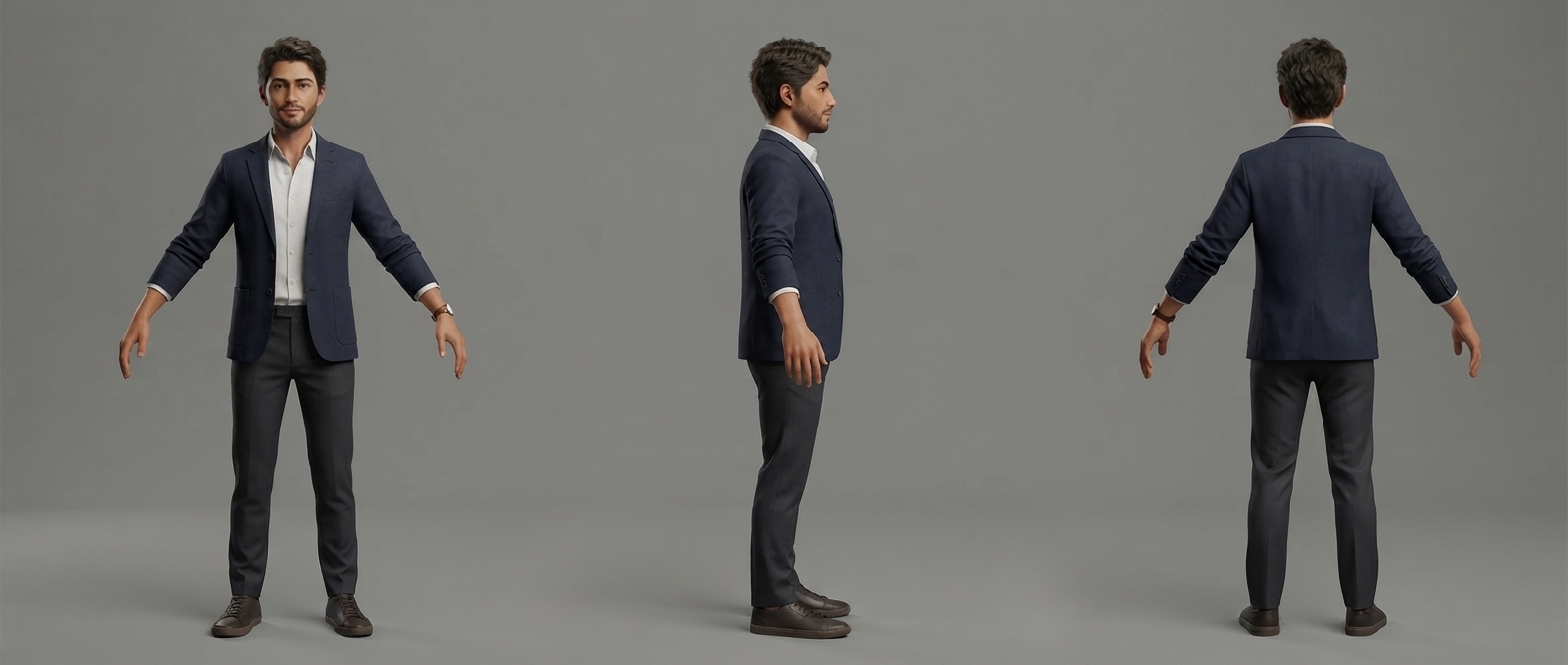
Adult Ernesto will be designed as a direct evolution of the child protagonist, keeping essential traits so the audience immediately recognizes the same character.
He will be a contemporary Colombian architect—creative and technological. His look will combine artistic sensitivity with professionalism, using contemporary clothing and elements of an architecture studio.
This character is key to showing Unreal Engine’s potential for contemporary architecture: he will work with 3D models, real-time visualization, BIM, artificial intelligence, virtual reality and digital tools for project management and presentation.
Visual role: represent the transformation of vocation into profession and architecture’s evolution toward the digital world.
Ernesto’s son — The new generation
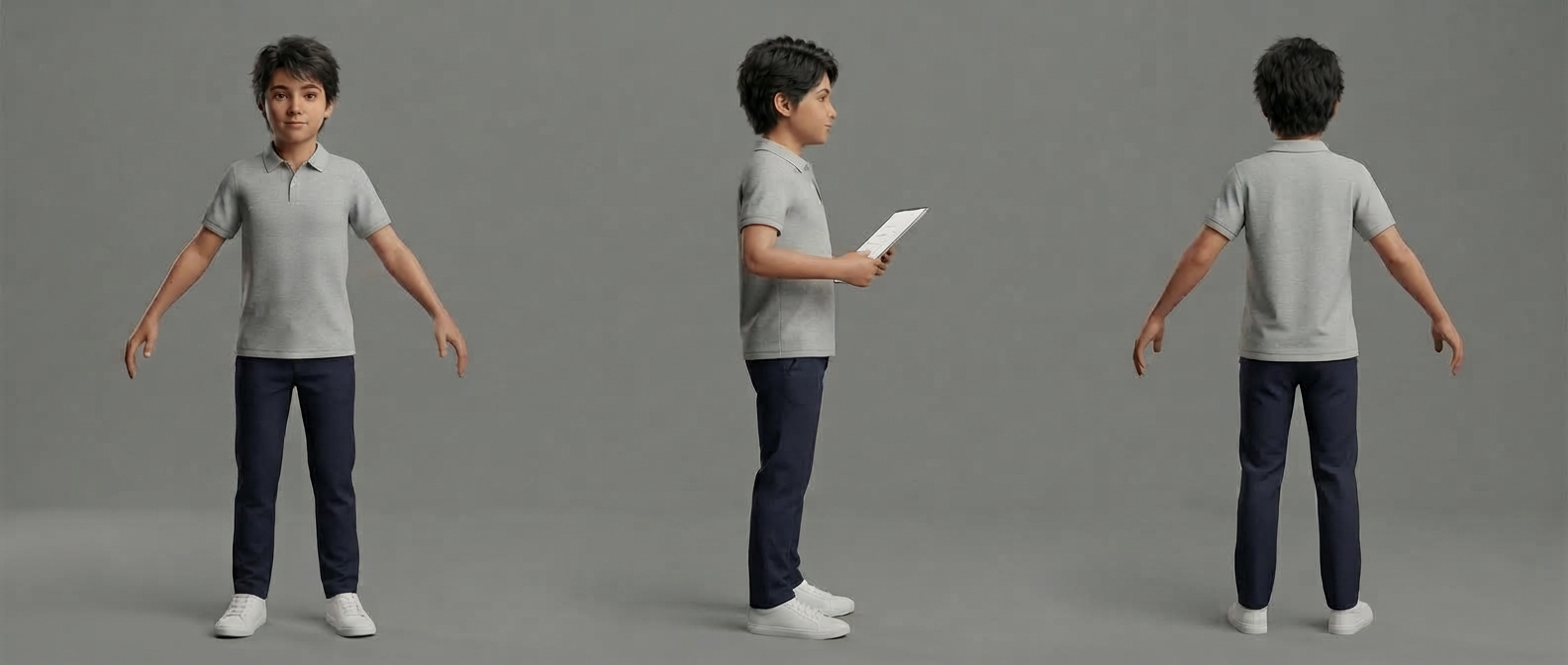
A Colombian boy of about eight, designed with family traits that make him recognizable as Ernesto’s son.
He will be curious, imaginative and fascinated by his father’s work. His presence will show how a new generation meets digital tools from a child’s perspective.
In the final sequence, father and son will work together inside a fully digital architectural environment in Unreal Engine, visualizing and developing a work that represents the future of the profession.
Visual role: represent continuity of vocation, transmission of knowledge and the next generation of architects.
A cast designed for a digital universe
The visual proposal aims for each character to be more than a historical likeness. Each will be a cinematic digital asset, ready for animation, interaction, lighting and reuse inside Unreal Engine.
The project will build a universe where characters, architecture, lighting, cameras, visual effects and historic spaces can exist in one real-time 3D environment.
That makes it possible for Ernesto to walk with Brunelleschi through Renaissance Florence, speak with Le Corbusier before Ronchamp, tour Paris with Ieoh Ming Pei, return to Colombia to meet Salmona and finally become a contemporary architect working with twenty-first-century digital tools.
Ernesto’s journey will not only be a journey through time: it will be a journey through the evolution of architectural representation—from the physical tools of the great masters to the digital universe of Unreal Engine.
Frequently asked questions
- What is The Architect of Time about?
- Ernesto, a rural boy in Colombia who dreams of becoming an architect. He travels through time and learns from Brunelleschi, Le Corbusier, Ieoh Ming Pei and Rogelio Salmona; as an adult he teaches his son to design with today’s digital tools.
- What are the short film’s goals?
- Inspire a new generation to find their vocation; spark interest in and knowledge of architecture; and connect historic architecture with the future of the profession (3D, BIM, AI, visualization, digital marketing and project management).
- Is the premiere available yet?
- We are in production. We will publish script, assets and pitch updates in this space.